
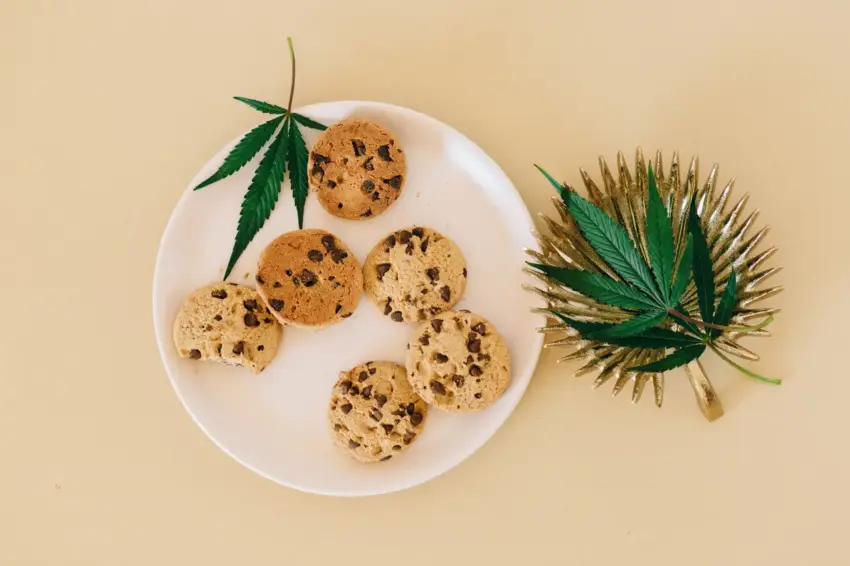
Baking homemade cannabis edibles is one of the most rewarding culinary skills you can master. Whether you want precise dosing control, longer-lasting effects, or simply prefer to avoid smoking or vaping, learning how to make weed cookies gives you complete oversight over your experience. When you prepare cannabis-infused cookies at home, you choose the starting flower strain, control the total cannabinoid profile, customize your cookie flavor, and eliminate the unpredictable mystery doses often found in unregulated commercial products.
However, crafting effective cannabis-infused cookies at home requires more than just crumbling dry flower into standard cookie dough. To achieve consistent potency, clean flavor, and pleasant effects without ruining an expensive batch of flower, you need a solid understanding of the underlying science: cannabinoid activation, lipid-based extraction, and temperature management during baking.
This comprehensive homemade edibles guide walks you through every step of the process. You will learn the exact chemical transformations required to activate raw cannabinoids, the math behind accurate dose calculations, how to make clean cannabutter, and how to execute an easy weed cookie recipe that yields delicious, predictably dosed treats every single time.
Understanding the Science of Cannabis Edibles
Before gathering your baking sheets or measuring flour, you must understand the fundamental biological and chemical processes that make cannabis edibles work. Skipping the basic science is the primary reason first-time edible makers end up with weak batches, bad-tasting cookies, or uneven dosing.
The Critical Decarboxylation Process
Raw cannabis flower does not contain high levels of active Δ9-tetrahydrocannabinol (THC), the primary compound responsible for the intoxicating psychoactive effects associated with the plant. Instead, living plants and freshly cured buds produce tetrahydrocannabinolic acid (THCA), an inactive precursor containing a carboxyl group (-COOH) attached to its molecular structure.
In its raw form, THCA cannot readily cross the blood-brain barrier to bind effectively with CB1 receptors in your endocannabinoid system. When you smoke or vaporize cannabis flower, the high heat instantly cleaves off this carboxyl group as carbon dioxide (CO2), converting THCA into active THC. Because baking cookies involves lower temperatures over short periods—and because the fat in cookie dough insulates the plant matter—the baking step alone does not generate enough heat to activate raw flower.
Thermal Activation Reaction:
THCA (Inactive) + Thermal Energy (240°F / 115°C for 35–40 mins) → Active THC + CO2 ↑
Thermal activation follows a strict time-and-temperature curve. Exposing raw flower to 240°F (115°C) for 35 to 40 minutes converts THCA into active THC while preserving delicate aromatic terpenes like myrcene, caryophyllene, and pinene. If your temperature is too low, the conversion remains incomplete, leaving much of your flower’s potential untapped. Conversely, if your oven exceeds 300°F (148°C), active THC rapidly degrades into cannabinol (CBN), a cannabinoid known for heavy sedation rather than uplifting euphoria.
Lipid Binding and Cannabinoid Bioavailability
Cannabinoids are hydrophobic and lipophilic molecules, meaning they do not dissolve in water but readily bind to non-polar solvents and dietary fats (lipids). To make effective cannabis-infused cookies at home, active cannabinoids must be extracted into a fatty carrier medium such as unsalted butter, coconut oil, or ghee.
When you consume a weed cookie, your digestive system breaks down these infused lipids in the stomach before passing them to the small intestine. Liver enzymes then metabolize Δ9-THC into 11-hydroxy-THC. This liver metabolite crosses the blood-brain barrier much faster and produces significantly stronger, longer-lasting physical and mental effects than inhaled Δ9-THC. Understanding this metabolic pathway helps explain why edible onset takes longer and why accurate dosing math is essential.
Essential Kitchen Tools and Ingredients
Making the best weed cookies requires gathering the right tools and fresh, high-quality ingredients before beginning. Having everything measured and prepped streamlines both the decarboxylation and infusion phases.
Required Kitchen Equipment
Digital Kitchen Scale: Critical for weighing your flower in grams to calculate exact dosing math.
Standalone Oven Thermometer: Home oven dials are frequently off by 10 to 25 degrees. A dedicated thermometer hanging on your center rack prevents accidental cannabinoid degradation.
Baking Sheet & Parchment Paper: Used to spread flower evenly during thermal activation.
Manual Herb Grinder: A medium-coarse grind is ideal; grinding flower into fine dust makes straining difficult and introduces excessive plant chlorophyll into your butter.
Double Boiler or Slow Cooker: Provides gentle, indirect heat during butter infusion to avoid scorching.
Cheesecloth & Fine-Mesh Strainer: Essential for separating spent plant material from liquid fat.
Silicone Spatula & Mixing Bowls: Standard baking tools for combining wet and dry ingredients cleanly.
Calibrated Cookie Scoop: Guarantees that every portion of dough is identical in weight, ensuring uniform dosage per cookie.
Complete Ingredients List
Cannabis Flower: 7.0 g (1/4 oz) — Serves as the primary cannabinoid source (estimated 15–20% THCA).
Unsalted Butter: 1 cup (2 sticks / 226 g) — Acts as the lipid extraction medium for the infusion.
Water: 1 cup (240 mL) — Regulates temperature during infusion to prevent butter from burning.
All-Purpose Flour: 2 ¼ cups (280 g) — Provides the base structure for the cookie dough.
Baking Soda: 1 tsp (5 g) — Works as the leavening agent for spread and rise.
Fine Sea Salt: 1 tsp (5 g) — Enhances flavor and balances sweetness.
Standard Unsalted Butter: ½ cup (1 stick / 113 g) — Uninfused butter used to adjust overall potency and fat structure.
Granulated White Sugar: ¾ cup (150 g) — Delivers crisp edges and sweetness.
Packed Brown Sugar: ¾ cup (165 g) — Adds moisture, chewiness, and deep caramel flavor.
Pure Vanilla Extract: 1 tsp (5 mL) — Complements chocolate and masks herbal notes.
Large Eggs: 2 room-temperature eggs — Binds the dough and provides emulsion structure.
Semi-Sweet Chocolate Chips: 1 ½ cups (250 g) — Functions as the primary flavor element.
Step 1: Decarboxylating Your Cannabis Flower
Step one of learning how to make cookies with weed is properly activating your raw plant matter. Take your time during this step to preserve terpenes and ensure full conversion.
Preheat and Calibrate Your Oven: Set your oven to 240°F (115°C). Place your standalone oven thermometer on the center rack and wait 15 minutes to verify that the internal temperature remains stable.
Break Down the Flower: Using a manual herb grinder or your fingers, break 7 grams of cannabis flower into uniform, pea-sized pieces. Avoid grinding into a fine powder, as dust-sized particles pass through strainers and create a dark, bitter butter.
Prepare the Baking Sheet: Line a large baking sheet with parchment paper or aluminum foil. Distribute your ground flower across the tray in a single, un-crowded layer.
Bake for Thermal Activation: Place the tray on the center rack. Bake for 35 to 40 minutes. At the 20-minute mark, gently shake the tray to rotate the flower and ensure even heat distribution.
Cool and Inspect: Remove the tray when the flower transitions from bright green to a toasted, light golden-brown color with a fragrant, nutty aroma. Allow it to cool at room temperature for 10 minutes before proceeding to infusion.
Pro Tip for Odor Control: Decarboxylation releases noticeable herbal aromas. If discretion is necessary, place your ground flower inside a sealed glass mason jar or an oven-safe roasting bag on your baking sheet. Bake for the same duration and let the jar cool completely before opening to trap volatile aromatics inside.
Step 2: Infusing Your Cannabutter
Once your flower is thermally activated, the next phase in making cannabis-infused cookies at home is extracting those fat-soluble cannabinoids into butter to make cannabutter.
Set Up a Double Boiler: Fill the bottom pan of a double boiler with 1 to 2 inches of water. Place the top glass or stainless steel bowl over the steam and set your stove burner to medium-low heat to maintain a gentle simmer.
Melt Butter with Water: Add 1 cup of unsalted butter (226 g) and 1 cup of water (240 mL) into the bowl. Adding water keeps the mixture from exceeding 200°F (93°C), preventing the dairy solids from burning during long extraction periods.
Stir in Decarboxylated Cannabis: As soon as the butter melts completely, stir in your activated flower until fully saturated.
Simmer Gently: Maintain a steady infusion temperature between 160°F and 180°F (71°C to 82°C) for 2 to 3 hours, stirring every 20 to 30 minutes. Do not allow the liquid to reach a rolling boil. Add small amounts of warm water if steam evaporation causes liquid levels to drop.
Strain Without Squeezing: Line a fine-mesh strainer with 2 to 3 layers of unbleached cheesecloth and position it over a heat-safe bowl. Pour the warm butter mixture through the cloth. Do not squeeze or wring out the cheesecloth; forcing liquid through pushes bitter chlorophyll, excess plant waxes, and sediment into your butter. Let gravity drain the fat naturally.
Refrigerate and Separate: Cover the bowl and chill it in the refrigerator for 2 to 4 hours. The butter will solidify into a firm top layer, separating cleanly from the dark water below.
Drain and Dry: Lift the hardened cannabutter disk off the top and discard the water. Flip the butter block over and gently pat the underside dry with a paper towel to remove remaining moisture. Your cannabutter is now ready for baking.
Step 3: Edible Dosing Math and Safety Calculations
Accurate dosing is essential when learning how to make weed cookies. Calculating your potency beforehand eliminates guesswork and helps ensure a comfortable, enjoyable experience for everyone.
Understanding Cannabis Weights and Bulk Math
Understanding larger weights makes it easier to dose when working with bigger quantities or infusing large batches of butter. Educational resources like calicanna.cc help consumers make sense of cannabis weights, strains, and fair market values before purchasing or baking:
1 Ounce: ~28 grams (28.35 g)
Quarter Pound (4 Ounces): ~113 grams (113.4 g)
Breakdown: 8 half-ounces (14g each), 16 quarters (7g each), or 32 eighths (3.5g each).
Note: A quarter pound yields roughly 225 standard 0.5g joints or over 375 lighter 0.3g joints, illustrating just how much flower it contains for home extractions.
The Math Formula for Edible Potency
To calculate the approximate total milligrams of active THC in your finished batch, use this standard equation:
Total THC (mg) = [ Flower Weight (g) × 1000 ] × [ Potency % ] × [ 0.877 Decarb Efficiency ] × [ 0.80 Extraction Efficiency ]
Working Through a Real-World Example
Let’s calculate the dose for a standard home batch using our target recipe metrics:
Starting Material: 7.0 grams of cannabis flower (one quarter ounce)
Tested Potency: 18% THCA (expressed as 0.18)
Molecular Weight Adjustment: THCA loses weight when releasing CO2 during conversion (multiplier: 0.877)
Infusion Yield Loss: Home butter infusions typically extract ~80% of active cannabinoids (multiplier: 0.80)
Batch Size: 24 cookies
Step 1 (Total Raw Potency): 7.0 g × 1000 = 7,000 mg total flower mass.
Step 2 (Active Cannabinoid Extraction): 7,000 mg × 0.18 × 0.877 × 0.80 = 884 mg total active THC in the cannabutter batch.
Now calculate the dose per cookie:
Per-Cookie Potency: 884 mg THC ÷ 24 cookies = 36.8 mg THC per cookie.
If 36.8 mg per cookie exceeds your desired tolerance level, adjust your fat ratio by mixing equal parts cannabutter and standard uninfused butter. Using ½ cup of cannabutter alongside ½ cup of standard butter cuts the potency in half to approximately 18.4 mg THC per cookie.
Step 4: The Ultimate Weed Cookie Recipe
This classic chocolate chip weed cookie recipe creates a golden-brown cookie with crisp edges, a soft center, and a delicious brown-sugar profile that pairs well with natural herbal notes.
Prep Time: 20 minutes | Chill Time: 1 hour | Bake Time: 10–12 minutes | Yield: 24 Cookies
Ingredients Needed
½ cup (113 g) Prepared Cannabutter (softened to room temperature)
½ cup (113 g) Standard Unsalted Butter (softened to room temperature)
¾ cup (150 g) Granulated White Sugar
¾ cup (165 g) Packed Light Brown Sugar
2 Large Eggs (room temperature)
1 tsp (5 mL) Pure Vanilla Extract
2 ¼ cups (280 g) All-Purpose Flour
1 tsp (5 g) Baking Soda
1 tsp (5 g) Fine Sea Salt
1 ½ cups (250 g) Semi-Sweet Chocolate Chips
Step-by-Step Baking Instructions
Mix Dry Ingredients: In a medium mixing bowl, whisk together the all-purpose flour, baking soda, and salt until evenly combined. Set the dry mix aside.
Cream Fats and Sugars Thoroughly: In a large mixing bowl or stand mixer fitted with a paddle attachment, combine the softened cannabutter, standard butter, granulated sugar, and brown sugar. Beat on medium speed for 2 to 3 minutes until the mixture turns pale, light, and fluffy. Thorough creaming ensures that the infused fats are evenly distributed throughout the dough.
Add Liquids: Add room-temperature eggs one at a time, mixing well after each addition. Stir in the vanilla extract until fully incorporated.
Combine Dry and Wet Components: Set your mixer to low speed. Slowly add the dry flour mixture in three batches, mixing until just combined. Avoid overmixing, as excess gluten development yields tough, dense cookies.
Fold in Chocolate: Use a silicone spatula to gently fold in the semi-sweet chocolate chips by hand.
Chill the Cookie Dough: Cover the bowl tightly with plastic wrap and chill in the refrigerator for at least 1 hour (24 hours yields even deeper flavor). Chilling firms up the butter fats, preventing cookies from spreading too thin during baking and keeping internal temperatures lower to protect active cannabinoids.
Preheat Oven to a Safe Temperature: Preheat your oven to 325°F (162°C)—slightly lower than the standard 350°F recipe temperature. Lower baking temperatures protect heat-sensitive cannabinoids from thermal degradation. Line two baking sheets with parchment paper.
Scoop and Portion Uniformly: Use a calibrated 1-tablespoon cookie scoop to measure out dough balls. Roll each ball gently between your palms. Ensuring every portion weighs the same is critical for consistent dosage.
Bake: Space dough balls 2 inches apart on your lined sheets. Bake at 325°F for 10 to 12 minutes until edges turn light golden brown while the centers remain soft and slightly pale.
Cool Properly: Remove sheets from the oven and let cookies rest on the warm tray for 5 minutes. Transfer them to a wire cooling rack to set completely before eating or storing.
Sourcing Material, Pricing, and Legal Considerations
To produce consistent, clean, and delicious homemade edibles, starting with quality flower makes a significant difference. Understanding supply tiers, market rates, and legal regulations ensures you make informed choices. Platforms like calicanna.cc assist consumers in evaluating fair market values, strain choices, and product types.
Market Tiers and Price Perspectives
When acquiring flower for making butter or edibles in bulk (such as a quarter pound / 113g), prices vary significantly based on quality and market conditions:
Budget / Shake ($200 – $400 per QP / ~$1.75 – $3.50/g): Includes outdoor-grown flower, “smalls,” popcorn nugs, and trim-heavy product. Ideal for large-batch butter infusions where visual appearance matters less.
Mid-Grade ($400 – $700 per QP / ~$3.50 – $6.00/g): The most common choice for decent greenhouse or indoor flower. Properly trimmed, reasonably potent, and lab-tested, offering a strong balance of value and potency.
Premium / Top-Shelf ($700 – $1,200+ per QP / ~$6.00 – $10.00+/g): Craft-grown, small-batch indoor flower with high terpene profiles. Best enjoyed smoked, but yields exceptional flavor when used for specialty infusions.
Legal Purchase & Possession Guidelines
Possession Limits: Most legal adult-use states set public possession limits capped around 1 ounce (28g) of flower. Possessing larger amounts (like a quarter pound) in public or inside a vehicle can result in legal penalties. Higher limits often exist for private residence storage or registered medical patients.
Licensed Retailers: Purchases should always come from state-licensed dispensaries to guarantee product safety and accurate lab testing. Keep original receipts and packaging.
Interstate Transport: Moving cannabis across state lines remains illegal under federal law, even between two legal states.
Hemp & Farm Bill Standards: Under federal law, hemp-derived products containing less than 0.3% Δ9-THC by dry weight (including raw THCA flower) are federally compliant prior to heat activation.
Responsible Consumption, Dosage Tiers, and Safety
Because ingested cannabinoids process through the liver rather than the lungs, the edible experience differs significantly from smoking or vaping. Responsible consumption starts with understanding onset times, duration, and personal tolerance tiers.
Edible Onset and Duration Timeline
Onset Period: 45 to 90 minutes (depending on stomach contents, metabolism, and lipid absorption).
Peak Effects: 2 to 3 hours post-consumption.
Total Duration: 6 to 8 hours (with lingering body relaxation lasting up to 12 hours).
Standard Cannabinoid Dosing Tiers
Microdose (1.0 – 2.5 mg THC): Mild stress relief and focus; non-intoxicating for most users.
Low Dose (2.5 – 5.0 mg THC): Light euphoria, heightened physical comfort; great for beginners.
Moderate Dose (10.0 – 15.0 mg THC): Strong physical relaxation and mental euphoria; suited for experienced users.
High Dose (20.0 – 50.0+ mg THC): Deep physical sedation and strong cognitive impairment; high tolerance required.
The Golden Rule for Edibles: Start low and go slow. Take half a cookie (or a 5 mg equivalent) and wait a full 2 hours before considering a second portion. Combining edibles with alcohol or taking them on a completely empty stomach can intensify effects rapidly.
If you accidentally consume more than intended, remain calm. Edible overconsumption is temporary and not physically dangerous. Drink water, rest in a quiet space, and consider taking 25 to 50 mg of pure, non-psychoactive CBD oil, which can help moderate THC binding at CB1 receptor sites in the brain.
Proper Storage and Maintaining Shelf Life
Proper storage maintains the freshness, texture, and cannabinoid stability of your weed cookies—and any bulk flower—over time.
Storing Finished Cookies
Room Temperature Storage: Place cookies in an airtight glass container with parchment paper layered between them. Store in a cool, dark pantry away from direct sunlight for up to 7–10 days.
Refrigerated Storage: Storing your sealed container inside the refrigerator extends freshness and prevents butter fats from going rancid for up to 3 weeks.
Freezer Storage: Wrap individual cookies tightly in plastic film, then place them inside a heavy-duty freezer bag or vacuum-sealed pouch. Freeze for up to 6 months. Thaw individual cookies at room temperature for 30 minutes before consuming.
Child and Pet Safety: Always label storage containers clearly with a visible warning tag: “MEDICATED CONTENT – KEEP OUT OF REACH OF CHILDREN AND PETS.” Store all cannabis products in lockable containers if minors or animals live in your household.
Storing Bulk Flower (Quarter Pounds & Up)
If keeping flower on hand for future baking batches, protect it from air, light, heat, and moisture swings:
Glass Containers: Use airtight glass mason jars instead of plastic bags. Split large amounts across multiple quart jars so less flower is exposed to air when opening.
Humidity Control: Keep relative humidity between 55% and 62% using humidity packs. Store at 60–70°F in a dark cabinet. Properly stored flower retains potency for 6 to 12 months.
Frequently Asked Questions
Why do my weed cookies have a strong grassy flavor?
Strong herbal flavors occur when excess plant chlorophyll and tannins leech into your butter during infusion. To prevent this, avoid over-grinding your flower into fine dust, keep infusion temperatures under 180°F (82°C), and never squeeze the cheesecloth while straining spent plant matter.
Can I skip decarboxylation if I bake my cookies at 350°F?
No. Cookie dough bakes for only 10 to 12 minutes, and internal dough temperatures rarely rise above 200°F (93°C). This duration is too short to activate THCA into THC properly, leaving your cookies weak. Always decarboxylate your flower in an oven before starting the infusion process.
Why are my cookies unevenly potent?
Uneven potency happens when infused cannabutter is not thoroughly creamed into the batter, or when individual dough balls vary in size. Mix your fat and sugars thoroughly with an electric mixer, and weigh or scoop each portion precisely using a calibrated cookie scoop.
Can I use coconut oil instead of butter?
Yes. Refined coconut oil is an excellent alternative because its high concentration of saturated fatty acids (medium-chain triglycerides) binds effectively to cannabinoids. Use a 1:1 ratio when replacing butter with coconut oil in your easy weed cookie recipe.
How can I reduce odor while baking weed cookies?
Odors stem mainly from decarboxylating raw flower and simmering butter. You can minimize smells by decarboxylating inside a sealed mason jar or roasting bag, using a stove exhaust fan, or substituting raw flower with concentrated extracts like rosin or distillate.
Troubleshooting Common Edible Problems
Issue: The Finished Cookies Feel Weak or Ineffective
Root Cause: Incomplete decarboxylation, low-potency flower, or overheating during infusion.
Correction: Verify oven temperatures with a calibrated external thermometer. Keep infusion temperatures below 180°F (82°C) to prevent cannabinoid breakdown.
Issue: Cookies Spread Too Thin and Burn On the Bottom
Root Cause: Baking warm dough, or setting the oven temperature too high.
Correction: Chill your cookie dough in the refrigerator for at least 1 hour before scooping. Lower baking temperatures to 325°F (162°C) to protect fat structure and preserve cannabinoids.
Issue: Stomach Upset After Eating a Cookie
Root Cause: Consuming raw plant particles or rich butter fats on an empty stomach.
Correction: Strain infused butter through multiple layers of cheesecloth without squeezing. Eat a small snack prior to consuming edibles.
By understanding thermal activation, following accurate dosing math, and using precise kitchen methods, you can make delicious, reliably dosed cannabis cookies at home. Always dose responsibly, label containers clearly, and store your edibles safely.