
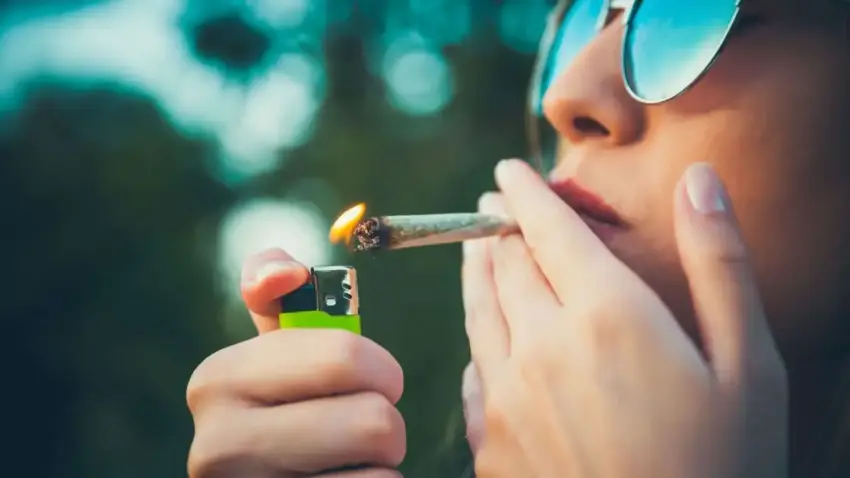
Quick Summary: To consume THCA in an apartment without alerting neighbors, you must combine source control with active air pressure management. Switching from combustion to low-odor methods like cold-start dabbing or THCA vapes drastically reduces smell. For flower, create negative room pressure by exhausting air out a sealed window, run a heavy-duty activated carbon air purifier, and seal interior door gaps with draft stoppers. Always avoid burning joints or blunts indoors, as raw combustion releases heavy tar and aromatic terpenes that penetrate drywall and shared HVAC ducts.
Quick Summary & The 60-Second Stealth Matrix
┌────────────────────────────────────────────────────────────────────────┐
│                        60-SECOND STEALTH MATRIX                        │
├─────────────────────┬──────────────┬─────────────────┬─────────────────┤
│ CONSUMPTION METHOD  │ ODOR LEVEL   │ DISPERSION TIME │ NEIGHBOR RISK   │
├─────────────────────┼──────────────┼─────────────────┼─────────────────┤
│ THCA Vape / Pen     │ Very Low     │ 5 – 15 Mins     │ Minimal         │
│ Live Resin Dab      │ Low-Medium   │ 15 – 30 Mins    │ Low             │
│ Dry Herb Vaporizer  │ Medium       │ 30 – 60 Mins    │ Moderate        │
│ One-Hitter / Bowl   │ High         │ 2 – 4 Hours     │ High            │
│ Joint / Blunt       │ Extreme      │ 8 – 24+ Hours   │ Severe          │
└─────────────────────┴──────────────┴─────────────────┴─────────────────┘
Living in a multi-family housing unit, apartment complex, or rental condo requires balance between enjoying your legal THCA products and respecting shared living spaces. Because modern apartments share hallways, structural gaps, and central HVAC ventilation, uncontrolled smoke moves easily through walls.
Whether you are trying to figure out how to smoke thca apartment without alerting neighbors or seeking reliable techniques for discreet weed consumption, this guide provides a step-by-step framework to eliminate odor, control air currents, and protect your living space.
Understanding THCA vs. Traditional Weed Odor Dynamics
To prevent smell from spreading, you must first understand the chemistry of THCA and how smoke moves through buildings.
What Is THCA and Why Does It Smell When Heated?
Tetrahydrocannabinolic acid (THCA) is the raw, non-psychoactive precursor found in live cannabis and hemp plants. In its raw form, THCA has very little smell.
The potent aroma comes from volatile organic compounds called terpenes (such as myrcene, pinene, limonene, and caryophyllene) alongside trace volatile sulfur compounds (VSCs). When you apply heat, these compounds vaporize into the air, creating the distinct skunky smell associated with cannabis.
                  Heat / Decarboxylation ( > 220°F / 104°C )
  [ THCA + Terpenes ] ───────────────────────────────────> [ Delta-9 THC + Terpene Aerosol ]
  (Raw / Low Odor)                                           (Aromatic / Highly Volatile)
Decarboxylation: The Science of Combustion vs. Vaporization
Decarboxylation is the thermo-chemical process that removes a carboxyl group ($COOH$) from THCA, converting it into active Delta-9 THC.
- Combustion (Smoking): Temperatures exceed $1,100^\circ\text{F}$ ($600^\circ\text{C}$). This burns plant cellulose, releasing heavy tars, microscopic carbon particles, and pungent gaseous terpenes that stick to upholstery, carpets, and drywall.
- Vaporization (Heating): Temperatures stay between $315^\circ\text{F}$ and $410^\circ\text{F}$ ($157^\circ\text{C}$–$210^\circ\text{C}$). This converts THCA into a fine aerosol vapor without burning the plant material, producing a lighter aroma that dissipates in minutes rather than hours.
For a deeper look into legal sourcing, third-party lab testing, and federal compliance under the 2018 Farm Bill, check out smoke kind for an in-depth legal buyer’s guide.
Why Apartment HVAC Systems Spread Cannabis Smoke
Most modern apartment complexes use centralized HVAC networks or shared utility chases (plumbing and electrical conduits behind walls).
  [ Smoking Room ] ──( Positive Pressure )──> [ Return Air Vent / Hallway Door ]
                                                       │
                                                       ▼
                                            [ Neighbor's Apartment ]
When you ignite flower in a closed room, you increase air pressure inside that space. Air naturally flows from areas of high pressure toward low pressure. Smoke slips through electrical outlets, under interior doors, and into central return vents, quickly carrying the smell straight into your neighbor’s living room or the hallway.
Phase 1: Odor Prevention (Stopping the Smell Before You Light Up)
The easiest way to hide smoke smell is to control the air currents inside your apartment before consuming any products.
1. Air Pressure Dynamics: Creating Negative Pressure in Your Room
To keep smoke inside your room and force it directly outdoors, you need to create negative air pressure.
  [ Closed Hallway Door ] ──> [ Sealed Room ] ──( Window Fan Blowing OUT )──> [ Outdoors ]
     (Air Pulled IN)                                                           (Smoke Exits)
- Select a room with an exterior window (a bedroom or home office works best).
- Close all doors leading into hallway corridors or adjacent living areas.
- Place a box fan or dual-window fan directly in the open window, sealing any side gaps with foam or blankets.
- Set the fan to blow outward toward the exterior.
- Crack open a window in a separate room across the apartment slightly. This pulls fresh air through the hallway, into your smoking room, and flushes all smoke out the window.
2. Sealing the Perimeter: Towels, Door Snakes, and HVAC Vent Covers
Before starting your session, seal all air paths leading into shared spaces:
- The Hallway Door: Place a dense draft stopper or a damp, rolled-up towel tightly across the bottom crack of your primary entry door.
- HVAC Return Grilles: Turn off central heating or air conditioning during your session. Magnetic vent covers over return grilles prevent smoke from entering shared building ductwork.
- Wall Outlets: Install foam outlet gaskets behind electrical cover plates on shared party walls to block hidden air drafts.
3. Choosing Low-Odor Consumption Methods
Choosing the right product makes a huge difference when trying to figure out how to smoke weed discretely in an apartment with thin walls.
┌────────────────────────────────────────────────────────────────────────┐
│                   CONSUMPTION METHOD COMPARISON                        │
├───────────────────────┬──────────────────────┬─────────────────────────┤
│ METHOD                │ ODOR RESIDUE         │ STEALTH RATING          │
├───────────────────────┼──────────────────────┼─────────────────────────┤
│ THCA Vape Cartridge   │ Non-Lingering Vapor  │ ⭐⭐⭐⭐⭐ (5/5)       │
│ Concentrates (Dabbing)│ Low Terpene Vapor    │ ⭐⭐⭐⭐☆ (4/5)        │
│ Dry Herb Vaporizer    │ Light Roasted Aroma  │ ⭐⭐⭐☆☆ (3/5)        │
│ Pipe / One-Hitter     │ Heavy Smoke Residue  │ ⭐⭐☆☆☆ (2/5)        │
│ Joint / Blunt         │ Extreme Sticky Tar   │ ⭐☆☆☆☆ (1/5)        │
└───────────────────────┴──────────────────────┴─────────────────────────┘
THCA Vapes and Live Resin Disposables
Vaping THCA is the most reliable way to vape THCA indoors without smell. The aerosol produced contains no combustion byproducts or burning plant matter. The light vapor dissipates quickly, especially when exhaled near an open window or personal carbon filter.
Concentrates & Cold-Start Dabbing
Dabbing THCA live rosin, wax, or diamonds releases pure cannabinoid vapor. By using a “cold-start” method—placing concentrate into a cold quartz banger and heating it slowly until it vaporizes—you avoid scorching the material and minimize excess odor.
Dry Herb Vaporizers vs. Combustion Joints
Dry herb vaporizers heat raw THCA flower to around $375^\circ\text{F}$ ($190^\circ\text{C}$), releasing active compounds without burning the plant material. The smell resembles toasted popcorn or green tea, dissipating within 30 minutes. Joints and blunts, on the other hand, burn continuously and emit heavy sidestream smoke, making them almost impossible to hide in an apartment.
One-Hitters (Dugouts) vs. Large Bongs
If you prefer traditional combustion, use a glass one-hitter (dugout). Pack only enough THCA flower for a single breath, inhale the entire cherry, and blow the smoke directly into a carbon filter. Bongs and large pipes allow excess sidestream smoke to rise into the room from the bowl, creating lingering odors.
Phase 2: Active Smoke Capture & Air Filtration
If you burn flower or dab concentrates indoors, capturing the smoke at the source is your best line of defense.
┌────────────────────────────────────────────────────────────────────────┐
│                     AIR FILTRATION MECHANICS                           │
├───────────────────────────────┬────────────────────────────────────────┤
│ HEPA FILTER                   │ ACTIVATED CARBON FILTER                │
├───────────────────────────────┼────────────────────────────────────────┤
│ • Traps solid smoke particles │ • Adsorbs gaseous VOCs and odor        │
│ • Filters down to 0.3 microns │ • Chemically binds terpene molecules   │
│ • Eliminates visible haze     │ • Eliminates lingering skunk scent     │
└───────────────────────────────┴────────────────────────────────────────┘
1. The Physics of Personal Filters: DIY Sploofs vs. Commercial HEPA Carbon Filters
Personal smoke filters allow you to exhale directly into a device that traps smoke before it enters the room.
[ Exhale Smoke ] ──> [ Micro-Pleated HEPA ] ──> [ Activated Carbon Bed ] ──> [ Clean Air Out ]
- DIY Sploofs (Dryer Sheets + Paper Towel Roll): A classic workaround, but limited in effectiveness. Dryer sheets mask smell with artificial fragrances while letting volatile gases and smoke particles pass right through.
- Commercial Personal Filters (SmokeBuddy, Sploofy, HEPA Systems): These use medical-grade HEPA filters combined with activated carbon. The HEPA filter catches solid smoke particles, while the carbon bed adsorbs volatile organic compounds (VOCs). They eliminate up to 99% of visible smoke and odor when used correctly.
2. Air Purifier Placement: True HEPA + Activated Carbon Weight Requirements
According to guidelines on indoor air quality from the U.S. Environmental Protection Agency (EPA), effective removal of gaseous pollutants and odors requires a filter with a substantial amount of activated carbon.
When buying an air purifier for THCA smoke smell, keep these two requirements in mind:
- Carbon Bed Weight: Avoid thin, carbon-coated pre-filters. Look for purifiers containing 3 to 15 pounds of solid pelletized activated carbon.
- Placement Strategy: Position the unit centrally in the room on an elevated surface, or directly between your seating area and the hallway door. Set the fan speed to maximum during your session and leave it running for 45 minutes afterward.
3. The Bathroom Steam Method: Myth vs. Reality
A common urban myth suggests running a hot shower to create steam that “traps” smoke particles, allowing you to flush them down the exhaust fan.
- The Reality: Heavy humidity actually slows down smoke dispersion. Moisture binds to aromatic terpenes, making them cling to damp towels, shower curtains, and drywall. Furthermore, apartment bathroom exhaust vents often link directly into shared building ventilation stacks, carrying the trapped smell into neighboring bathrooms. Avoid this method.
Phase 3: Post-Session Neutralization and Storage Security
Eliminating active smoke is only half the battle—you also need to manage secondary odor sources like sticky residue, warm glass pieces, and unburned flower.
┌────────────────────────────────────────────────────────────────────────┐
│                    POST-SESSION CLEANUP CHECKLIST                      │
├────────────────────────────────────────────────────────────────────────┤
│ [ ] Clean glass bowl/banger with 91%+ isopropyl alcohol immediately.    │
│ [ ] Store all raw THCA flower inside airtight glass mason jars.         │
│ [ ] Spray organic enzyme odor eliminators (avoid heavy perfumes).      │
│ [ ] Wash hands and brush teeth to eliminate breath and skin odor.       │
└────────────────────────────────────────────────────────────────────────┘
1. Odor Neutralizer Sprays vs. Masking Fragrances (Why Perfume Makes It Worse)
Spraying heavy perfumes, body sprays, or incense onto cannabis smoke creates an overwhelming mix of floral scents and burnt terpenes that alerts neighbors instantly.
Instead, use organic enzyme-based odor neutralizers (such as Ozium, Cannabolish, or Veil). These formulas break down terpene molecules on a molecular level rather than covering them up.
2. Stash Security: Smell-Proof Carbon-Lined Storage Solutions
Raw THCA flower can smell just as strong as smoke. To keep unburned stash from scenting your room:
- Glass Mason Jars: Thick glass with rubber gasket clamps blocks terpene off-gassing completely.
- Activated Carbon Storage Bags: Use carbon-lined, zipper-locked pouches to store grinders, dirty pipes, and vape pens.
- Clean Hardware Regularly: Dirty bongs and ash-covered pipes continuously emit strong smells. Rinse your glass pieces with $91\%+$ isopropyl alcohol and coarse salt right after your session.
3. Personal Hygiene Hacks: Clothing, Skin, and Breath Cleanup
Smoke clings to skin sebum, natural hair oils, and cotton fibers:
- Clothing: Swap into a dedicated “session hoodie” while consuming THCA flower, then store it inside a sealed bag.
- Skin & Hands: Wash your hands and face with warm water and degreasing soap.
- Breath: Brush your teeth or use an alcohol-free mouthwash. Hydrocarbon smoke leaves aromatic residues inside the oral cavity that linger for hours.
Geo-Specific & Tenant Law Considerations
Understanding local tenant rights and lease terms helps you enjoy THCA responsibly without risking your housing situation.
┌────────────────────────────────────────────────────────────────────────┐
│                    TENANT RISK ASSESSMENT MATRIX                       │
├───────────────────────────────┬────────────────────────────────────────┤
│ LEASE CLAUSE                  │ ENFORCEMENT & LEGAL EXPOSURE           │
├───────────────────────────────┼────────────────────────────────────────┤
│ "No Smoking" Covenant         │ Covers all combustion; high risk       │
│ "Quiet Enjoyment" / Nuisance  │ Odor migration can cause warnings      │
│ Federal Housing (HUD / Section│ Zero-tolerance federal oversight       │
│ 8)                            │                                        │
└───────────────────────────────┴────────────────────────────────────────┘
Understanding Lease Agreements and “Nuisance” Clauses
Even in states where cannabis or hemp is legally protected, property owners retain the right to ban smoking on their premises.
- “No-Smoking” Covenants: These clauses usually apply to all combusted materials, including tobacco, THCA flower, and herbal cigarettes.
- Nuisance Rules: Most rental leases contain a standard clause protecting residents’ right to “quiet enjoyment.” If smoke or heavy odors spill into public corridors or neighboring units, landlords can issue formal lease violations regardless of state legality.
State-Level THCA Legality and Regional Apartment Regulations
State laws vary regarding total-THC calculations and raw THCA status. For example, some states enforce strict total-THC limits ($0.3\%$ post-decarboxylation), while others evaluate THCA under standard industrial hemp guidelines.
For research on cannabinoid extraction methods, legal definitions, and safety profiles, review published peer-reviewed studies available through the National Institutes of Health (NIH / PubMed) database.
Frequently Asked Questions (People Also Ask)
1. How can I smoke THCA in an apartment without alerting neighbors?
To smoke THCA in an apartment without alerting neighbors, use a low-odor method like a THCA vape pen or cold-start concentrate rig. If smoking flower, create negative room pressure using a window fan blowing outward, block door gaps with draft stoppers, and exhale into an activated carbon filter.
2. What is the best way to smoke THCA in an apartment with thin walls?
The best approach for apartments with thin walls is switching from combustion to vaporization. Use THCA vape cartridges, dry herb vaporizers, or concentrates, which produce short-lived aerosols instead of heavy smoke tar that seeps through wall joints and utility outlets.
3. How do I stop weed smoke from going through my vents?
Turn off your central HVAC system during your session. Cover return grilles with magnetic vent covers, seal room door gaps with door snakes, and run an independent air purifier equipped with a heavy activated carbon bed.
4. DIY Sploof vs. SmokeBuddy: Which works better for THCA?
Commercial HEPA carbon filters (like the SmokeBuddy or Sploofy) work far better than DIY sploofs made with dryer sheets. DIY options only mask scent with perfume while letting smoke particles pass through. Commercial units use activated carbon beds to absorb gases and filter out visible smoke entirely.
5. How long does THCA vape smell linger indoors compared to flower?
THCA vape vapor dissipates within 5 to 15 minutes with light air movement and leaves no lingering residue. Combusted THCA flower smoke can linger for 8 to 24 hours in carpets, curtains, and furniture if not properly ventilated.
6. Can my landlord evict me for vaping THCA indoors?
If your lease includes a strict “no-smoking” or “no-vaping” clause, or if neighbors report lingering odors under nuisance rules, a landlord can issue lease warnings or eviction notices. Always use low-odor methods and active ventilation to stay respectful of building guidelines.
Conclusion & Actionable Stealth Checklist
With a few thoughtful preparations, you can easily enjoy THCA indoors while respecting your neighbors and maintaining a clean living environment. Focus on prevention, source control, and smart air management to keep odors under control.