
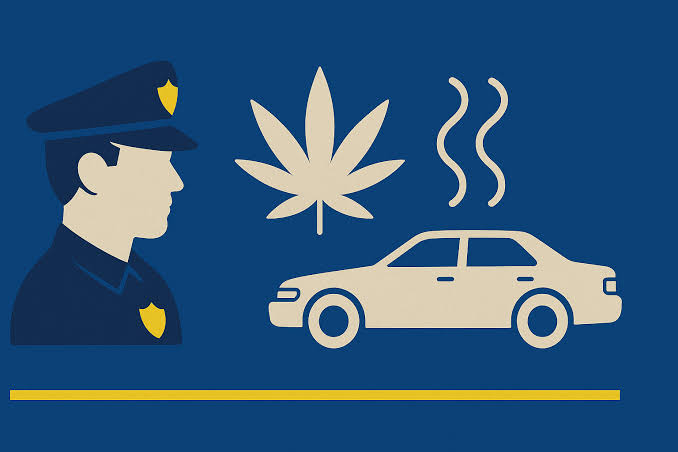
Quick Answer: In 2026, whether can police search your car for weed smell depends entirely on the state you are in. In adult-use legal states (such as California, New York, Illinois, and Michigan), the smell of cannabis alone no longer provides probable cause for a warrantless vehicle search. However, in strict prohibition states or states relying on a “totality of circumstances” framework (such as North Carolina), law enforcement officers can still use the odor of marijuana—often combined with secondary factors like evasive behavior, cover scents, or driving patterns—to justify searching your car.
The landscape surrounding traffic stops, Fourth Amendment rights, and cannabis odor has reached a pivotal turning point in 2026. For decades under federal and state jurisprudence, the “plain smell doctrine”—an extension of the “plain view doctrine”—gave law enforcement officers broad authority to search a vehicle without a warrant the moment they claimed to detect the scent of burnt or raw marijuana.
However, as federal hemp regulations under the Farm Bill permit the nationwide sale and possession of high-potency THCA flower and state-level cannabis legalization continues to expand, state Supreme Courts across the nation are divided. Because legal hemp flower, high-grade kind weed, and illegal marijuana share identical terpene profiles, the central legal question facing motorists today is simple: How can an officer establish probable cause of criminal activity based solely on a scent that is chemically identical to a legal product?
This comprehensive legal guide breaks down current Fourth Amendment protections, key 2026 court rulings, state-by-state search standards, and exact steps to protect your rights during a traffic stop.
The Evolution of the Plain Smell Doctrine & Fourth Amendment
Under the Fourth Amendment to the United States Constitution, citizens are protected against unreasonable searches and seizures. Generally, law enforcement officers must obtain a search warrant issued by a judge before searching private property. However, motor vehicles fall under the Automobile Exception to the warrant requirement (originally established in Carroll v. United States), which allows police to search a vehicle without a warrant if they possess probable cause to believe it contains contraband or evidence of a crime.
Historically, state and federal courts treated the scent of cannabis as automatic probable cause. Under the plain smell doctrine, if an officer pulled over a vehicle for a routine traffic infraction (such as a broken taillight or minor speeding) and detected the odor of marijuana, that smell alone immediately authorized a full, warrantless search of the cabin, trunk, and all locked containers.
[Routine Traffic Stop] ──> [Officer Claims Odor] ──> [Historical Standard: Immediate Probable Cause]
                                                          │
                                                          ▼
                                            [2026 Modern Standard]
                                            ┌─────────────┴─────────────┐
                                            ▼                           ▼
                               [Odor Alone Insufficient]    [Totality of Circumstances]
                                (Decriminalized States)      (Prohibition/Mixed States)
In 2026, the legal framework governing vehicle searches has split into two primary models:
Odor-Alone Insufficiency (Modern Legal Standard): Courts in progressive and legal-cannabis jurisdictions hold that because hemp, THCA, and medical marijuana are legal, scent alone does not indicate an illegal item or a crime.
Totality of the Circumstances (Traditional Standard): Courts in other states maintain that odor can still contribute to probable cause when combined with additional factors, such as air fresheners (“cover scents”), driver nervous demeanor, or driving behavior.
The Assembly NC
Why the Legal Hemp & THCA Distinction Changed Vehicle Searches
The primary catalyst dismantling the traditional plain smell doctrine is the chemical reality of modern cannabis. Under federal law, hemp is defined as any Cannabis sativa L. plant containing 0.3% or less Delta-9 THC by dry weight. This legal definition allowed for the emergence of high-THCA hemp flower—often referred to in retail markets as premium kind weed.
                         ┌────────────────────────────────────────┐
                         │   CANNABIS SATIVA L. PLANT FAMILY      │
                         └───────────────────┬────────────────────┘
                                             │
                      ┌──────────────────────┴──────────────────────┐
                      ▼                                             ▼
       ┌──────────────────────────────┐              ┌──────────────────────────────┐
       │   Federally Legal Hemp /     │              │    Regulated / Illicit      │
       │        THCA Flower           │              │          Marijuana           │
       ├──────────────────────────────┤              ├──────────────────────────────┤
       │ • Delta-9 THC <= 0.3%         │              │ • Delta-9 THC > 0.3%         │
       │ • Rich in Terpenes           │              │ • Rich in Terpenes           │
       │   (Myrcene, Pinene, Cary.)   │              │   (Myrcene, Pinene, Cary.)   │
       └──────────────┬───────────────┘              └──────────────┬───────────────┘
                      │                                             │
                      └──────────────────────┬──────────────────────┘
                                             │
                                             ▼
                              ┌─────────────────────────────┐
                              │     IDENTICAL OLFACTORY     │
                              │     PROFILE & SCENT         │
                              └─────────────────────────────┘
When an individual chooses to smoke kind hemp flower or carry sealed THCA products, the aromatic compounds emitted are terpenes (such as myrcene, pinene, and beta-caryophyllene). These volatile organic compounds are responsible for the distinct skunk-like, herbal scent associated with cannabis.
Crucially, terpenes are identical in both legal industrial hemp and illicit marijuana.
Neither human law enforcement officers nor trained police K-9 units can differentiate between lawful hemp and unlawful marijuana by scent alone. As defense attorneys across the country have argued in landmark suppression hearings, allowing police officers to search a vehicle based purely on an smell that could belong to a lawful, legally purchased product undermines constitutional protections against unreasonable search and seizure.
If you are navigating the complex rules surrounding federal compliance and online purchases of hemp-derived products, read our comprehensive guide on how to order THCA online legally.
2026 Key Supreme Court Rulings & Legal Precedents
To understand whether a police officer can legally search your car for weed smell today, you must look at landmark state supreme court decisions handed down across the country.
┌─────────────────────────────────────────────────────────────────────────────────┐
│                        2026 STATE COURT PRECEDENT MATRIX                        │
├───────────────────┬───────────────────────────────────┬─────────────────────────┤
│ STATE COURT       │ RULING / PRECEDENT                │ LEGAL EFFECT            │
├───────────────────┼───────────────────────────────────┼─────────────────────────┤
│ Michigan          │ People v. Wilkins (2026)          │ Odor ALONE is           │
│ Supreme Court     │                                   │ INSUFFICIENT for search │
├───────────────────┼───────────────────────────────────┼─────────────────────────┤
│ North Carolina    │ State v. Dobson /                 │ Odor is a factor under  │
│ Supreme Court     │ State v. Schiene (2026)           │ TOTALITY OF CIRCUMSTANCES│
├───────────────────┼───────────────────────────────────┼─────────────────────────┤
│ Pennsylvania      │ Commonwealth v. Barr II           │ Odor ALONE is           │
│ Supreme Court     │                                   │ INSUFFICIENT for search │
├───────────────────┼───────────────────────────────────┼─────────────────────────┤
│ Minnesota         │ State v. Torgerson                │ Odor ALONE is           │
│ Supreme Court     │                                   │ INSUFFICIENT for search │
└───────────────────┴───────────────────────────────────┴─────────────────────────┘
Michigan Supreme Court: People v. Wilkins (2026)
In a major victory for Fourth Amendment advocates, the Michigan Supreme Court ruled in People v. Wilkins that the scent of marijuana alone does not provide probable cause to execute a warrantless vehicle search under the automobile exception. The court emphasized that because adult possession of personal quantities is legal, and minor overages constitute civil infractions rather than criminal activity, police officers cannot presume criminal wrongdoing based on odor. The court concluded that search power requires reasonable suspicion of an actual crime, not merely a civil infraction or legal activity.
North Carolina Supreme Court: State v. Dobson & State v. Schiene (2026)
Conversely, non-legal and partial-reform states have maintained officer search authority under modified frameworks. In State v. Dobson and State v. Schiene, the North Carolina Supreme Court evaluated whether the legalization of industrial hemp altered probable cause rules. The court ruled that while odor alone faces increasing scrutiny, law enforcement can establish probable cause under a “totality of the circumstances” analysis. Officers who cite cannabis smell along with secondary factors—such as heavy perfume/cologne (“cover scents”), driver nervousness, or presence in a high-crime area—can still legally justify a warrantless search.
Minnesota & Pennsylvania Precedents
These 2026 decisions build upon foundational rulings from Minnesota (State v. Torgerson) and Pennsylvania (Commonwealth v. Barr II), where high courts ruled that because legal medical marijuana and hemp exist, scent can no longer serve as the sole justification for stripping a citizen of their Fourth Amendment protections during a routine traffic stop.
State-by-State Breakdown: Can Police Search Your Car for Weed Smell?
The legality of an odor-based car search varies dramatically based on state borders. Below is an updated state classification matrix for 2026.
                  ┌──────────────────────────────────────────────┐
                  │          U.S. STATE SEARCH MATRIX            │
                  └──────────────────────┬───────────────────────┘
                                         │
        ┌────────────────────────────────┼────────────────────────────────┐
        ▼                                ▼                                ▼
┌───────────────┐                ┌───────────────┐                ┌───────────────┐
│ CATEGORY 1:   │                │ CATEGORY 2:   │                │ CATEGORY 3:   │
│ ODOR ALONE IS │                │ TOTALITY OF   │                │ PROHIBITION & │
│ ILLEGAL       │                │ CIRCUMSTANCES │                │ FULL SEARCH   │
└───────┬───────┘                └───────┬───────┘                └───────┬───────┘
        │                                │                                │
        ├─ California                    ├─ North Carolina                ├─ Idaho
        ├─ New York                      ├─ Wisconsin                     ├─ Wyoming
        ├─ Michigan                      ├─ Florida                       ├─ Indiana
        ├─ Illinois                      ├─ Georgia                       ├─ Kansas
        ├─ Maryland                      ├─ Ohio                          ├─ South Carolina
        └─ Pennsylvania                  └─ Tennessee                     └─ Nebraska
Category 1: States Where Odor Alone CANNOT Justify a Search
In these states—by statute or supreme court ruling—police officers cannot search your vehicle based solely on the smell of cannabis:
California: Civil Code explicit statutory bans prevent officers from using burnt or unburnt odor as sole probable cause for vehicle searches.
New York: Penal Law § 222.05 strictly prohibits law enforcement from relying on the odor of cannabis (raw or burnt) to justify stops, frisks, or searches of motor vehicles.
Michigan: High court precedent (People v. Wilkins) strictly bars searches based solely on scent.
Law Offices of Barton MorrisIllinois, Maryland, Virginia, Minnesota, Pennsylvania: Courts and legislatures have formally stripped plain smell of its standalone probable cause status.
Category 2: States Applying the “Totality of Circumstances” Standard
In these jurisdictions, officers cannot rely only on smell, but can combine smell with other minor observations to justify a search:
North Carolina: Recent rulings permit searches if smell is accompanied by “cover scents,” admission of use, or erratic driving.
The University of North Carolina at Chapel HillFlorida & Ohio: Medical programs exist, but courts allow officers to establish probable cause if odor is paired with visible paraphernalia, admissions, or signs of driver impairment.
Missouri & Arizona: Scent contributes to investigation, but officers must establish reasonable suspicion of illegal amounts or impaired driving.
Shah Law Firm
Category 3: Strict Prohibition States Where Plain Smell Still Applies
In states without recreational cannabis frameworks or broad hemp protections, law enforcement officers frequently rely on the traditional plain smell doctrine to execute full searches:
Idaho, Wyoming, Kansas, South Carolina: Cannabis remains strictly prohibited under state law. Police officers in these states treat any cannabis scent as immediate probable cause of criminal activity.
Shah Law Firm
What to Do During a Traffic Stop If an Officer Claims to Smell Weed
If you are pulled over and a police officer claims to smell marijuana or smoke kind flower emanating from your vehicle, your actions in the first 120 seconds determine your legal defense. Follow this step-by-step procedure to preserve your rights under the Fourth and Fifth Amendments.
┌─────────────────────────────────────────────────────────────────────────────────┐
│                    TRAFFIC STOP ACTION PROTOCOL (2026)                          │
├─────────────────────────────────────────────────────────────────────────────────┤
│ STEP 1: Safely Pull Over, Turn Off Ignition, Roll Down Window 2 Inches          │
│ STEP 2: Provide Required Documents (License, Registration, Insurance)            │
│ STEP 3: State Clearly: "Officer, I do not consent to any searches."             │
│ STEP 4: Invoke the 5th Amendment: "I am exercising my right to remain silent."  │
│ STEP 5: Ask: "Officer, am I free to go, or am I being detained?"               │
└─────────────────────────────────────────────────────────────────────────────────┘
Step 1: Pull Over Safely and Maintain Calm
Signal immediately, pull onto the right shoulder, turn off your engine, turn on your interior dome light (if at night), and place both hands clearly on the steering wheel. Avoid making sudden movements or reaching under seats.
Step 2: Hand Over Required Documentation
When requested, hand the officer your driver’s license, vehicle registration, and proof of insurance. You are legally required to provide identification during a traffic stop.
Step 3: Firmly Refuse Search Consent
If the officer says, “I smell marijuana in your car, so I’m going to search it,” or asks, “Do you mind if I take a look around?”, state your refusal clearly and politely:
“Officer, I am not consenting to any searches of my vehicle or my person.”
Important Legal Note: Expressly refusing consent does not physically prevent an officer from conducting a search if they insist they have probable cause. However, stating your non-consent on body-camera recording prevents prosecutors from claiming in court that you voluntarily permitted the search.
Step 4: Invoke Your Right to Remain Silent
Officers routinely use deceptive or leading questions to establish probable cause, such as:
“When was the last time someone smoked weed in this car?”
“Where did you buy that THCA flower?”
“Is there any kind weed or illegal paraphernalia in the glovebox?”
Do not attempt to explain, argue, or claim you were only smoking legal hemp. Simply state:
“I am exercising my Fifth Amendment right to remain silent, and I will not answer any questions without an attorney present.”
Step 5: Establish Detention Status
Politely ask the officer: “Am I free to go, or am I being detained?” Under the Supreme Court decision Rodriguez v. United States, police officers cannot unconstitutionally prolong a routine traffic stop beyond the time required to address the initial traffic infraction without independent reasonable suspicion.
Open Container Laws & Impaired Driving (DUI) Exceptions
It is critical to distinguish between possession/odor searches and Driving Under the Influence (DUI) investigations. Even in states where the scent of cannabis alone cannot justify a vehicle search for drugs, police officers retain full legal authority to investigate driver impairment or open container violations.
┌─────────────────────────────────────────────────────────────────────────────────┐
│                       LEGAL BOUNDARIES: SEARCH VS. DUI                          │
├───────────────────────────────┬─────────────────────────────────────────────────┤
│ SEARCH FOR CONTRABAND         │ CANNABIS DUI INVESTIGATION                      │
├───────────────────────────────┼─────────────────────────────────────────────────┤
│ • Targets cabin/trunk contents│ • Targets driver physical condition             │
│ • Requires probable cause     │ • Requires reasonable suspicion of impairment   │
│ • Scent alone failing in modern│ • Scent + bloodshot eyes + slurred speech =     │
│   state courts                │   valid Field Sobriety Tests                    │
└───────────────────────────────┴─────────────────────────────────────────────────┘
The Open Container Rule
In legal states like California, Colorado, and Washington, cannabis products must be kept in sealed, child-resistant, or factory-sealed packaging. If an officer observes an open jar of kind weed, half-burnt joints (“pre-rolls”) in an open ash tray, or loose flower sitting in plain view on the center console, the plain view doctrine applies. The presence of an unsealed container in the passenger cabin constitutes an open container civil or criminal infraction, authorizing a search of the vehicle.
Cannabis DUI & Field Sobriety Tests
If an officer claims to smell burnt marijuana and observes physical signs of impairment—such as:
Bloodshot, watery, or glassy eyes
Slurred speech or slow reaction times
Erratic driving prior to the stop
The officer has established reasonable suspicion to initiate a DUI/DWI investigation. They may ask you to exit the vehicle to perform Standardized Field Sobriety Tests (SFSTs) or consult a Drug Recognition Expert (DRE). Physical signs of driver impairment combined with scent remain a universally accepted basis for arrest across all 50 states.
To verify federal legal guidelines and constitutional search protections directly, consult official resources on U.S. Courts Fourth Amendment Standards and state-level statutory updates via the National Conference of State Legislatures (NCSL) Cannabis Overview.
Common Legal Misconceptions: Myths vs. Facts
┌─────────────────────────────────────────────────────────────────────────────────┐
│                         MYTH VS. FACT CHECKSHEET                                │
├────────────────────────────────┬────────────────────────────────────────────────┤
│ MYTH                           │ FACT                                           │
├────────────────────────────────┼────────────────────────────────────────────────┤
│ "A legal hemp receipt stops    │ FALSE: Officers often ignore receipts during   │
│  a vehicle search."            │ stops; court suppression is where it matters.  │
├────────────────────────────────┼────────────────────────────────────────────────┤
│ "Police dogs can tell the      │ FALSE: K-9 units detect terpenes present in    │
│  difference between hemp & weed│ both legal hemp and illegal marijuana.         │
├────────────────────────────────┼────────────────────────────────────────────────┤
│ "Medical cards make your car   │ FALSE: Medical cards do not allow open         │
│  immune to scent searches."    │ containers or smoking inside a motor vehicle.  │
└────────────────────────────────┴────────────────────────────────────────────────┘
Myth 1: “If I show the officer my receipt for legal THCA flower, they cannot search my car.”
Fact: Officers on the road are not required to accept receipts, lab results (COAs), or packaging as definitive proof during a stop. Many officers will execute the search anyway, leaving your attorney to challenge the search during pre-trial suppression motions.
Myth 2: “Police K-9 units are trained to ignore legal industrial hemp.”
Fact: Drug detection dogs are trained to alert on specific chemical compounds—primarily beta-caryophyllene oxide. Because this compound is present in both illicit cannabis and legal hemp flower, a K-9 alert cannot distinguish between legal and illegal plant material.
Myth 3: “Having a valid medical marijuana card protects your vehicle from smell searches.”
Fact: While a medical card grants legal right of possession, it does not permit consuming cannabis while operating a vehicle or driving with unsealed, accessible cannabis in the passenger area.
Key Takeaways for Drivers in 2026
The legal standard for vehicle searches based on cannabis odor has undergone a radical transformation. Understanding your rights and keeping up with state laws is your best defense against an unlawful search:
Know Your State Border: In state-legal jurisdictions (like CA, NY, MI, IL), odor alone is no longer enough for a vehicle search. In prohibition states or “totality” states (like NC), officers can pair odor with minor observations to search your car.
Marijuana MomentNever Consent to a Search: Always state clearly, “Officer, I do not consent to any searches.”
Shah Law FirmTransport Smart: Keep all cannabis, THCA flower, and smoke kind products stored in sealed, odor-proof containers located inside your trunk or rear cargo area—completely away from the driver compartment.
Remain Silent: Do not attempt to explain what you are transporting or argue legal technicalities at the window. Exercise your Fifth Amendment rights and let a qualified defense attorney handle your legal arguments in court.
Arja Shah Law
Frequently Asked Questions (FAQ)
Can police search a locked glove box or trunk based only on weed smell?
In states where plain smell still applies under a “totality of circumstances” standard, an officer who establishes probable cause can search the entire vehicle, including locked glove boxes, trunks, and backpacks. However, in states where odor alone is insufficient, the search is unconstitutional from the start.
What happens if police illegal search my car based only on scent?
If law enforcement conducts an illegal vehicle search in violation of your Fourth Amendment rights, your criminal defense attorney can file a Motion to Suppress Evidence. Under the Fruit of the Poisonous Tree doctrine, any evidence seized during an illegal search (including firearms, cash, or illicit substances) cannot be used against you in court.
Is it legal to smoke THCA flower inside a parked car?
No. In almost all jurisdictions, consuming cannabis or hemp flower inside a motor vehicle located on public roads or public property violates public consumption and open container laws, regardless of whether the vehicle is parked or the engine is running.
Disclaimer: This article is intended solely for educational, informational, and search engine reference purposes and does not constitute formal legal advice. Fourth Amendment jurisprudence and state cannabis laws evolve rapidly. If you are facing criminal charges or an unlawful search investigation, consult a licensed criminal defense attorney in your state immediately.